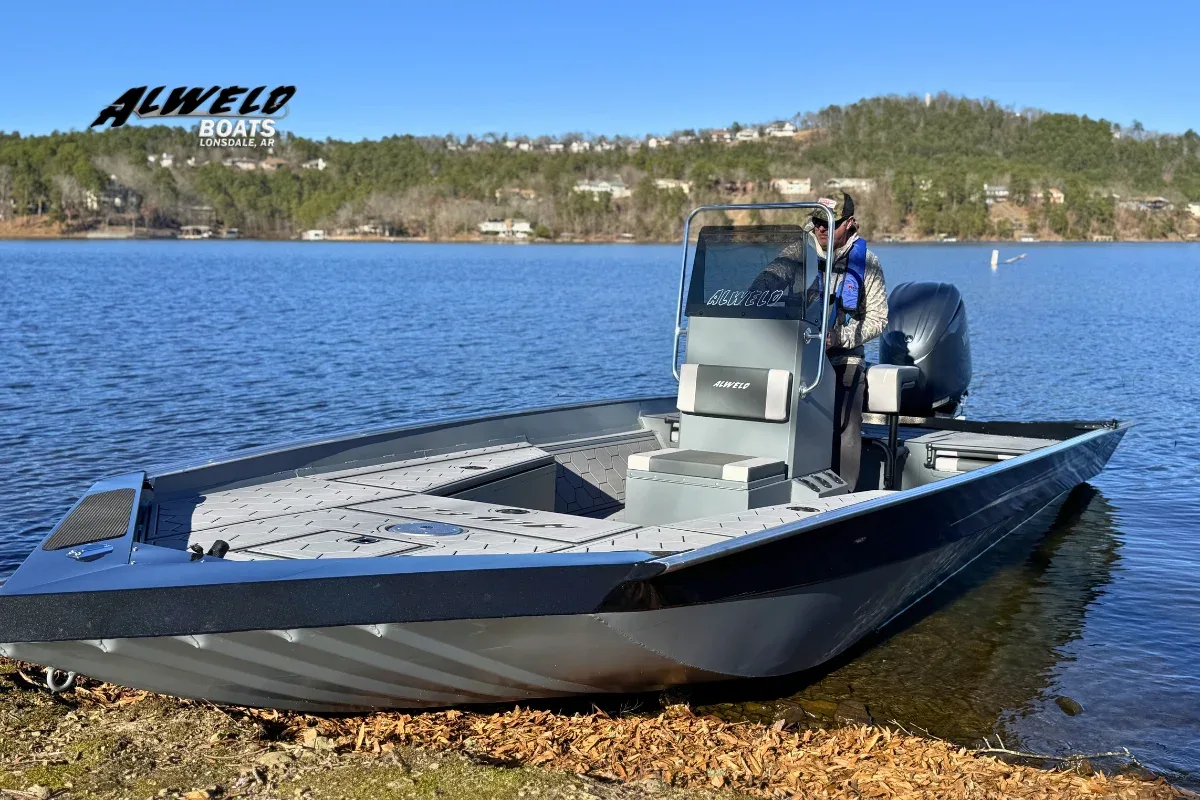
Four systems hold a fishing rig together: hull, engine, electrical, and trailer. Neglect any one of them and you’re not saving effort. You’re borrowing time you’ll have to pay back with interest, usually at the worst possible moment.
A rinse you skipped after a saltwater run, a fitting you kept meaning to check, a hull that sat through winter with standing water pooled up under the console. You don’t notice any of it until one March morning when the engine cranks and cranks and won’t fire, the trailer bunks crumble when you touch them, and the hull that should have two more decades on it is already looking tired. That’s deferred maintenance. Not a dramatic failure. Just a slow bleed you ignored.
Key Takeaways
- Rinse the hull after every saltwater or brackish run. Salt doesn’t wait, and neither does oxidation.
- Fuel, cooling, and winterization aren’t optional line items; skip them and you’re scheduling a rebuild.
- Moisture kills electrical connections quietly. Inspect and protect on a schedule before something goes dark on the water.
- Trailer bearings and lights fail at the ramp, not in your driveway. They need their own maintenance routine.
- A seasonal checklist turns “I’ll get to it” into something that actually happens before it becomes a repair bill.
- Aluminum is tough but not forgiving of the wrong cleaner or the wrong anode. Using the right products matters.
- An authorized Alweld dealer knows this hull. For parts and service, that’s not a small distinction.
What Is Aluminum Boat Maintenance?
Put simply, it’s the routine that keeps your hull, engine, wiring, and trailer in working shape season after season. Most boat owners don’t give it much thought until something fails mid-lake. Then it’s all they think about.
Four systems keep an aluminum boat fishable for decades: hull, engine, electrical, and the trailer. The trailer’s the one most guys ignore until it strands them in a parking lot at 5am. All four matter.
Stay on top of all four and your boat fishes just as hard in year 25 as the day you brought it home. The ten-minute post-trip rinse. The annual electrical check you do before the ice goes out. The bearing grease you almost talked yourself out of. That’s really the whole thing. Nothing complicated about it.
What deferred maintenance doesn’t do is wait. That surface oxidation from last fall? It’s already working into something worse. The wiring issue you’ve been calling intermittent is one rainy afternoon from becoming an actual problem. And that trailer you kept meaning to look at, well, you’ll be thinking about it at the boat ramp with six rigs lined up behind you.
Anything structural, engine-related, or electrical that’s beyond your comfort level, take it to an authorized Alweld dealer. When you’re unsure, that’s always the right call. But the place every inspection starts, and where we’ll start here, is the hull.
Start with the Hull: Cleaning and Corrosion
The hull takes the most abuse. Start there. Aluminum is tough, but it’s not self-maintaining, and the gap between surface oxidation and structural damage is shorter than most people think. The right water chemistry will get you. A brass fitting in the wrong place will get you. Standing moisture under a deck panel, just sitting there between outings, will absolutely get you. Catching it early is always cheaper.
Rinse and Clean After Every Outing
Five minutes with a garden hose after every trip. That’s it. Non-negotiable. If you’ve been running brackish water, bayou conditions, anything with tannic acid in it, that chemistry works on aluminum faster than clean freshwater does. A lot faster. Don’t skip the rinse because you’re tired and the boat’s already on the trailer.
For a proper deep clean, use a marine cleaner rated specifically for aluminum. This isn’t a small distinction. Fiberglass cleaners often carry acids or compounds that strip the natural oxide layer right off the metal. That oxide layer is what’s standing between your hull and corrosion. Soft brush or cloth only. Wire brushes scratch through it and leave bare metal exposed. So do abrasive pads.
Oxidation: What the White Chalky Film Actually Means
You’ve probably seen it after a hard run: a dull, chalky haze on bare aluminum that wasn’t there when you launched. That’s oxidation. Here’s the thing though, it’s not automatically a crisis. The oxide layer is doing what it’s supposed to do, sitting between raw metal and whatever water chemistry you’ve been dragging the boat through. Surface haze? Fine. You wipe it off and move on.
What you’re watching for is pitting. Rough, cratered divots that don’t buff out. That’s where surface oxidation becomes a problem that needs real attention. A rinse won’t touch it at that point. You need an aluminum-specific polish and a protective sealant, and your authorized dealer can look at what you’ve actually got and point you toward products that fit your situation.
Galvanic Corrosion and Sacrificial Anodes
Most folks don’t catch this one until the bill shows up. Galvanic corrosion happens when two different metals stay in contact through water, and it moves slow enough to stay invisible until there’s real damage underneath. That aluminum hull touching a brass fitting. A steel trailer bracket sitting against the transom all season. The water acts as an electrolyte, the less noble metal starts breaking down, and nothing looks wrong until you’re already dealing with the consequences. There’s deeper reading on the electrochemical side if you want it, but the practical reality is simpler than the science.
Sacrificial anodes. Blocks of metal less noble than your hull that absorb the corrosive current before it reaches the aluminum. Zinc for saltwater. Magnesium or aluminum alloy for freshwater. Check them at minimum once a year, and replace any anode that’s more than 50% consumed. Running brackish or Gulf-adjacent water? Bump that to every six months. Anodes are cheap. Corroded hull sections are not.
Interior Corrosion and Product Selection
Most maintenance guides skip interior corrosion. That’s why it tends to surprise people. Pull your deck panels. Look under the seats. Check the bilge. Anywhere water pools and sits is a corrosion zone, and it’s the kind of damage that compounds quietly until one day it’s a real repair bill. A yearly inspection and a bilge-safe aluminum treatment takes maybe five minutes and can save you hundreds.
Use paints, primers, and sealants made for aluminum specifically. Products designed for fiberglass, or marketed as some vague “universal” formula, can react with the metal and make things worse. If you’re not sure what’s right for your boat, your local authorized Alweld dealer can point you in the right direction. You can find one at alweld.com/find-a-dealer. Worth knowing: Alweld doesn’t cover damage from improper maintenance, so if you’re uncertain about a treatment or coating, have that conversation before you apply it. That conversation costs nothing. A bad chemical reaction does. Once the hull is handled, the engine is the next place deferred maintenance compounds fast.
Engine Care: Where You Need A Professional
Engine maintenance on an aluminum fishing boat is not optional if you want the motor to last. Oil changes, lower unit gear lube, spark plug swaps, cooling system flushes, fuel prep before it sits: all of that has to happen. It also belongs at an authorized Alweld dealer, not in your driveway. A trained tech has tools you don’t, knows the failure patterns on your specific engine, and usually catches the thing that would’ve cost you a thousand dollars before it gets that far. Get on their schedule before season opens. Find an authorized Alweld dealer at alweld.com/find-a-dealer.
Most guys drop off the boat and pick it up without asking what actually got done. That works fine, but understanding what each service covers means you can ask something better than “did you check everything.”
Standard marine engine maintenance intervals for four-stroke outboards are built around hour thresholds and seasonal timing. Handing that schedule to your dealer and letting them track it against your hours is genuinely the lowest-friction way to stay current. Per fishing hour, proper engine maintenance is cheap. Skipped engine maintenance that turns into a mid-season repair is not.
What Maintenance Tips Should I Know Before The Season Starts?
Engine service keeps the motor turning. Electrical maintenance keeps everything else from leaving you dead in the water fifteen miles from the ramp. The boats that get stranded out there? It’s rarely the engine. It’s a corroded terminal, a loose ground, a battery that sat all winter with nothing on it. Small stuff. Quiet stuff. The kind of thing you don’t notice until you’re reaching for the trolling motor and nothing happens.
Aluminum boats have a specific problem here that fiberglass guys don’t deal with the same way: dissimilar metals plus moisture equals accelerated corrosion at every connection point. It moves faster than you’d expect, and it moves whether you’re watching or not. That’s why Alweld recommends a professional electrical inspection every season. Your authorized dealer knows where the trouble spots live on these boats. Find one near you.
What Does a Professional Electrical Inspection Actually Cover?
The short version: everything that carries current gets looked at. Connection points checked for corrosion, insulation tested, circuits confirmed live under load. On aluminum boats, moisture-exposed terminals get the most scrutiny, which is basically all of them. The goal is finding the dropout at the dock instead of figuring it out when you’re already on the water and committed.
Bilge pump. Run it before your first outing. Trigger the float switch, watch it cycle, confirm the discharge hose is actually clear. If it sounds slow or labored, get it to a dealer before the day you actually need it to keep up with incoming water.
Batteries. A battery that went all winter without a maintainer is a coin flip. Sometimes they come back. Often they don’t hold a charge anymore. Store it somewhere it won’t freeze, put a smart maintainer on it through the off-season, and check the terminals for buildup before you ever load the boat. Nav lights follow the same logic: check them before every trip, not the evening before opener when there’s no time to fix anything. If something electrical looks off, that’s what your authorized dealer is there for. Don’t guess at it. Find a dealer near you.
Trailer Maintenance: The System That Gets Overlooked
Trailer maintenance means rinsing every time you pull out of saltwater, checking your bearings before they start telling you about it through heat or a shimmy, and giving the frame the same attention you give the hull.
Most guys learn the hard way. Hot hub. Wobble, you told yourself, was just the road. That smell. Then you’re on the shoulder watching traffic blow past at seventy while your boat sits on a jack and your phone dies trying to find a tow.
The trailer gets ignored because it doesn’t demand attention the way an engine does. It just lives outside, dunks in the water a few times a week, and quietly corrodes. Meanwhile, every hour of prep time goes to the hull and the motor. Those get the love. The trailer gets assumed.
Here’s the thing about most trailer failures: they weren’t surprises. A bearing running warm for two weekends before it seizes. Frame rust sitting at a weld joint for a full season before anyone looked at it. The failures announce themselves. You just have to be paying attention.
Rinse the trailer frame after every saltwater or brackish launch. Salt works faster than freshwater boaters expect until they see what one season of skipping that step actually looks like. For the full breakdown on prepping a trailer before a long layup, the boat trailer winter storage guide walks through every step.
The Checklist Worth Taping to Your Garage Wall
Print this out. Seriously. The guys who still have the same boat they bought fifteen years ago aren’t doing anything complicated. They just show up at the beginning of each season, do a handful of things, and repeat. That’s the whole system. For a deeper walkthrough of fall prep specifically, the Alweld boat winterization checklist covers each step in detail.
Spring: Before the First Trip
- [ ] Rinse the hull top to bottom and inspect for stress cracks, chips, or paint blistering
- [ ] Check all zinc anodes on hull, transom, and motor; replace any that are more than 50% depleted
- [ ] Schedule engine service if you’re at or near the 100-hour mark (oil, filter, spark plugs, impeller)
- [ ] Charge the battery fully and load-test it before trusting it on the water
- [ ] Test every electrical circuit: bilge pump, nav lights, livewell, depth finder, and any accessories added over winter
- [ ] Inspect trailer bearings and repack with fresh grease if it’s been more than a season
- [ ] Check trailer lights, safety chains, coupler latch, and tire pressure, including the spare
- [ ] Verify the drain plug is in hand, and the bilge is dry before launching
In-Season: Ongoing
- [ ] Rinse the hull, outboard, and trailer with fresh water after every brackish or saltwater trip. No exceptions.
- [ ] Pull the drain plug as soon as the boat is on the trailer so the bilge water drains completely
- [ ] Test trailer lights in the parking lot before backing down the ramp
- [ ] Watch for warning signs at the hubs: unusual heat, grease on the inside of the wheel, grinding when rolling
- [ ] Check the bilge pump each trip out; a pump that fails at the wrong moment is a bad day
- [ ] After every trip, do a 60-second walk around: look for anything that moved, loosened, or started leaking
Fall: Before Storage
- [ ] Do a deep hull clean and apply a fresh coat of protective coating or wax before storing
- [ ] Inspect all anodes and replace any that are more than half consumed before the boat sits for months
- [ ] Change the engine oil and filter while the engine is warm, so contaminants drain out fully
- [ ] Add fuel stabilizer to a full tank and run the engine for 10 minutes to circulate it through the system
- [ ] Fog the cylinders with engine fogging oil if storing in a cold climate
- [ ] Remove the battery, charge it to 100%, and connect it to a trickle maintainer for the off-season
- [ ] Dry the bilge completely and leave the drain plug out during storage
- [ ] Cover the boat with a breathable cover or store it indoors to protect against UV and moisture damage
Walk a marina long enough, and you’ll start to notice which boats look ten years younger than they are. It’s never luck. Somebody rinsed that hull after every salt run. Somebody changed the gear lube before it went milky and took out a seal. The list above is just that habit written down on paper. Do it once a season, and you’ll still be fishing the same boat when your kids are old enough to argue about who gets it.
Aluminum Boat Maintenance Tips: Keep Your Alweld on the Water for Decades
Pull into any river boat ramp early enough and you’ll see Alweld hulls already in the water. These boats have been coming out of the factory since 1979, and the ones still logging hard days after 30 years didn’t get there by accident. The owners paid attention to them. Not obsessively, not expensively. Just consistently, season after season, on the things that actually matter.
Here’s what separates the boats still running hard at thirty years from the ones that aren’t: rinse and inspect the hull after every outing, particularly in saltwater or silt-heavy rivers. Flush the engine and check the impeller before each season opens. Walk the welds, transom bolts, and drain plugs once a year for corrosion. And follow the manufacturer’s service intervals for your motor and hull configuration, not just when it’s convenient.
One thing’s worth knowing before you grab a wrench. Work done outside the manufacturer’s service guidelines can void your warranty, and that’s not a small thing. We’re not saying you don’t know what you’re doing. Plenty of boat owners do. But warranty coverage is written around specific procedures, and if you step outside them, that repair bill is yours, not the manufacturer’s. Picture finding a cracked weld six months in, knowing warranty would’ve covered it if you’d made one phone call first. If the manual leaves you guessing, call an authorized dealer before you start. They’ve run that job before, they know where the line is, and the call is free.
Find Your Authorized Alweld Dealer
Alweld has been building these boats since 1979. Authorized dealers who service them know the hull configurations specific to your model, the correct service intervals, what your warranty covers, and where to source factory parts. Before your first trip of the season, get your boat in front of someone who can confirm your maintenance schedule is dialed in and your warranty is protected. Find an authorized Alweld dealer at alweld.com/find-a-dealer and schedule your pre-season service before the ramp gets busy.
Frequently Asked Questions
How often should I have my aluminum boat serviced by a dealer?
Once a season minimum, and schedule it before spring launch. Not when you’re already at the ramp. Outboard service intervals fall somewhere between 50 and 100 hours depending on your engine, and your authorized Alweld dealer tracks that for you. If you’re running saltwater or brackish water regularly, don’t wait for the annual visit. That environment works on your hull and hardware constantly, and a mid-season check is worth every dollar.
What is galvanic corrosion and why does it affect aluminum boats?
Two different metals sit in water together and an electrochemical reaction starts. The water carries the current. The weaker metal gets eaten. On an aluminum hull, the culprits are usually brass fittings, steel hardware, or the steel bunks your trailer uses to cradle the hull. You can look at a hull for years and think everything is fine while corrosion is working away underneath the surface. It doesn’t make noise. It doesn’t slow down.
Sacrificial anodes exist for exactly this reason. Zinc if you’re in saltwater. Magnesium or aluminum alloy if you’re in freshwater. They take the hit so your hull doesn’t. Inspect them every season and swap them when they’re worn down. Compared to what a corroded hull costs to fix, anodes are basically free.
What happens if I skip engine maintenance on my outboard?
Skipping engine maintenance is how you turn a $90 oil change into a rebuild. Oil that sits over winter goes acidic. Slowly, quietly, it starts eating at bearing surfaces. By the time you notice, you’re already past the point where it’s cheap. Milky gear lube means a seal failed; run it and you’re scoring gears. Fuel without stabilizer breaks down in roughly 30 days and leaves behind deposits that clog carbs and injectors. You can pressure wash a dirty hull. You can’t rinse this stuff out.
Miss enough services and you’re not just adding to the next repair bill. You’re shortening how long the engine lasts, period.
Is it safe to use automotive or fiberglass products on an aluminum boat?
No. Aluminum needs products rated specifically for aluminum. A lot of automotive and fiberglass compounds have acids in them that strip the natural oxide layer aluminum builds on its own surface. Take that layer off and you’ve got bare metal in direct contact with water.
People learn this lesson the expensive way. They grab something from the garage because it seemed fine, and a few weeks later the hull surface looks like something dissolved it. Because something did. That rule covers everything: cleaners, primers, paints, sealants. If the label doesn’t say it’s safe for aluminum, don’t put it on your boat. Your authorized Alweld dealer can tell you what actually works. If you’re in the hardware store staring at a label trying to figure it out, call the dealer before you buy. That conversation is a lot shorter than the one about the damage.
How do I find an authorized Alweld dealer?
alweld.com/find-a-dealer. Authorized dealers stock actual Alweld parts and know these boats. When you have a question specific to your hull or model, you won’t be spending the first ten minutes explaining what an Alweld is.
What maintenance should I do after every fishing trip?
Rinse the hull, engine, and trailer after every trip. Saltwater and brackish water especially. Pull the drain plug, check that the bilge isn’t holding water, and test your trailer lights before you leave the ramp. The whole thing takes ten minutes. What it saves you is showing up weeks later to something that stopped working while it was sitting in your driveway.